Southern Restaurant Pittsburgh, PA: Best Choices for Authentic Flavor
@devinojcc501
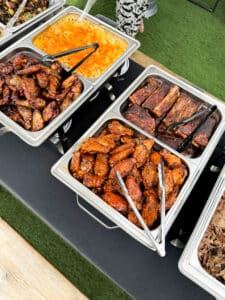
Finding a great southern restaurant in Pittsburgh, PA takes a little more judgment than a quick search result can offer. The city has no shortage of comfort food, barbecue counters, neighborhood diners, and chef-driven restaurants that borrow from the South, but authentic Southern flavor is a narrower target. It is not just fried chicken on a menu. It is technique, seasoning, patience, and a certain kind of hospitality that makes the meal feel grounded rather than performative.
Pittsburgh is an interesting place to look for Southern food because the city already understands hearty eating. It appreciates smoked meats, rich gravies, greens cooked down properly, and food that is built for family tables rather than tiny tasting portions. That overlap helps. At the same time, there is a real difference between food that nods to the South and food that carries Southern identity in a serious way. When people leave disappointed, it is usually because they were served a version of Southern cooking that looked right but tasted flat, or a polished plate that forgot where the dish came from.
The best choices in Pittsburgh tend to come from kitchens that respect the basics. The crust on the chicken matters. The greens need depth, not just color. Mac and cheese should taste like someone cared about the cheese selection and the bake, not like noodles under a blanket of orange sauce. Cornbread should have personality. Sweet tea should not taste like an afterthought. These details sound small until you sit down to eat, because then they become the whole story.
What authentic Southern flavor actually means
Authenticity is a loaded word in restaurant writing, and it can be misused. Southern cooking is not one thing. The food traditions of coastal South Carolina, the Mississippi Delta, Texas barbecue country, Louisiana Creole kitchens, eastern Tennessee, and rural Georgia do not collapse neatly into a single plate. A good Southern restaurant usually reflects a lane within that larger tradition, whether that is soul food, pit barbecue, Lowcountry influence, Cajun and Creole cooking, or a broader comfort-food approach with roots in family recipes.
What matters most is internal logic. If a place serves smothered pork chops, candied yams, black-eyed peas, and peach cobbler, those dishes should feel connected. The seasoning profile should make sense across the plate. The kitchen should know when to hold back and when to push. One of the easiest ways to spot weak Southern cooking is when every dish tastes like it came from a different restaurant concept.
In Pittsburgh, the restaurants worth returning to usually understand that Southern food asks for balance. You need acid against fat, spice against sweetness, crunch against tenderness. Fried catfish without a sharp remoulade or hot sauce option feels unfinished. Collard greens without pot liquor depth feel thin. Biscuits that crumble like dry scones miss the point. The food does not need to be fancy, but it does need confidence.
The strongest kinds of Southern dining experiences in Pittsburgh
When people ask for the best Southern food in the city, they are often asking for one of three experiences, even if they do not phrase it that way. They might want soul food that tastes like it came out of a family kitchen. They might want barbecue with Southern sides done right. Or they might want a polished restaurant that uses Southern traditions as the backbone of a more modern menu.
Each of those can work, and each has different standards.
Soul food spots live or die by consistency. The fried chicken has to be seasoned all the way through, not just on the crust. Oxtails need to be cooked until the texture gives in. Yams should taste developed rather than sugary for the sake of sweetness. Rice should be rice, not a filler. Hospitality matters more in this category than in almost any other. The best meals often come with a brief conversation at the counter, a recommendation you did not ask for, or a side that arrives because someone wanted you to try it.
Barbecue restaurants raise a different set of questions. You are not only judging smoke and bark, but also whether the sides belong on the same level as the meat. Pittsburgh has some strong barbecue instincts, but a place claiming Southern credentials has to do more than smoke pork shoulder. The beans, slaw, greens, cornbread, and potato salad should all hold up on their own. If the meat is excellent and everything else is cafeteria grade, it is not a complete Southern meal.
Modern Southern restaurants can be excellent when they respect the structure of the original dishes. There is nothing wrong with refinement. A chef can lighten a plate, bring in local produce, or present shrimp and grits with more precision than a roadside café. The problem starts when the kitchen strips out the soul of the food in pursuit of presentation. Grits still need body. Shrimp still need proper seasoning. Hot honey on fried chicken is not a personality.
How to judge a southern restaurant before you order much
A menu reveals more than people think. If I am trying a new southern restaurant in Pittsburgh, PA, I usually look first at the sides and the starches. That is where weak kitchens get exposed. Entrées can hide behind a good fryer or a heavy sauce. Sides cannot.
If the greens are clearly made with intention, if the mac and cheese sounds baked rather than scooped from a steam tray, if the cornbread is described in a way that suggests a house recipe, that is a strong start. If the menu includes regional specifics, such as red beans and rice, smothered turkey wings, hoppin' John, or gumbo, I look to see whether the rest of the menu supports those dishes. A long menu full of unrelated crowd-pleasers usually means compromise. Southern cooking does not need a hundred options.
Service is another clue. In many strong Southern restaurants, staff know which dishes are selling because they genuinely stand behind them. Ask a simple question about the greens or the smoked wings and pay attention to the answer. If the response is quick, specific, and unforced, the restaurant probably has a real center of gravity. If the answer is vague, rehearsed, or purely promotional, the food may be too.
One more thing matters in Pittsburgh, and that is timing. Some of the best Southern food in any city is strongest at lunch or during early dinner, when the day’s braises, gravies, and fried items are fresh. A restaurant that is outstanding at 12:30 can feel worn out at 8:45. That is not always a red flag. It is often just the reality of cooking styles that rely on batches, resting, and turnover.
Dishes that separate a serious kitchen from a trendy one
If I only had one meal to judge a Southern restaurant, I would build the order around dishes that are hard to fake. These tell you very quickly whether the kitchen understands the cuisine or just likes the branding.
- Fried chicken, because the seasoning, crust, oil temperature, and resting all show up immediately.
- Collard greens, because they need time, depth, and balance instead of simple saltiness.
- Mac and cheese, because texture is everything and shortcuts are obvious.
- Biscuits or cornbread, because bread tells you whether the kitchen cares about foundations.
- Peach cobbler or banana pudding, because dessert often reveals whether the menu has memory behind it.
That short lineup has saved me from many underwhelming meals. A place can recover from one weak dish. It is much harder to recover when the basics all come up short.
What Pittsburgh diners usually get wrong when choosing Southern food
Many diners chase the loudest dish on the menu. They go straight for the stacked sandwich, the over-sauced platter, or the brunch special built for social media. There is nothing wrong with enjoying a big, dramatic plate, but Southern cooking is often quieter than people expect. The best thing on the menu might be a pork chop with gravy, a bowl of gumbo, a plate of turkey wings, or a catfish dinner with two sides that the kitchen makes every single day.
Another common mistake is judging authenticity only by portion size. Yes, Southern food can be generous, but volume is not the same as quality. A huge tray of bland food is still bland food. Real value is a plate that tastes cared for, even if it is a little more modest than the all-you-can-carry style some customers expect.
I also see people underrate side dishes in Pittsburgh. That is a mistake in any Southern restaurant. A truly good side can carry as much pride as the main course. I have had greens that were more memorable than the ribs served next to them. I have had cornbread that explained the whole restaurant in two bites. If you skip the sides, you often miss the point of the cuisine.
Neighborhoods and formats that tend to deliver
The best Southern meals in Pittsburgh do not always come from the flashiest addresses. Some of the city’s most satisfying food lives in neighborhood storefronts, modest dining rooms, takeout-heavy operations, or restaurants where the décor matters less than the smell coming out of the kitchen. That is not unique to Pittsburgh, but the city seems especially comfortable with substance over polish, which works in Southern food’s favor.
Casual counters can be excellent when they focus on a few things and do them well. If a place offers a rotating lineup of meats with a short list of sides, that can be a strong sign. Smaller menus often mean fewer compromises and better daily execution. Family-run spots also tend to do well in this category because recipes have an anchor. Even when a restaurant adjusts for local preferences, the structure of the cooking remains intact.
Sit-down restaurants can shine too, particularly for brunch and dinner. Shrimp and grits, chicken and waffles, biscuits with sausage gravy, and hot chicken variations all appear around the city. The challenge is separating the restaurants that use Southern dishes as a weekend hook from those that treat them as part of a real culinary identity. In practice, the difference shows up in seasoning and restraint. Good kitchens know when to stop. They do not drown everything in syrup, cheese, or sauce.
The role of soul food in Pittsburgh’s Southern scene
Any serious conversation about Southern food in the city has to include soul food, because that tradition carries much of the emotional and historical weight people are actually looking for. Soul food is not just comfort food with a different name. It comes from Black culinary traditions shaped by ingenuity, migration, family memory, church meals, labor, celebration, and survival. When restaurants honor that lineage, the food has a different kind of authority.
Pittsburgh has long had communities that value this style of cooking, and that matters. The best soul food kitchens in town do not need to overexplain themselves. They understand the importance of properly seasoned greens, tender stewed meats, crisp fish, and desserts that feel homemade rather than manufactured. They often do not chase trends, which is part of why they hold up. A tray of fried chicken, greens, yams, and macaroni can tell a deeper story than a menu full of upscale reinterpretations.
For diners, the best approach is respect and curiosity. Order the house specialties. Ask what sells out first. If the daily special sounds like something you rarely see elsewhere, that is often the right move. Southern food rewards trust.
Brunch versus dinner, and why the difference matters
A lot of Pittsburgh diners first encounter Southern flavors at brunch, where menus lean on biscuits, gravy, fried chicken, waffles, and shrimp and grits. Brunch can be a good entry point because the food is approachable and often satisfying, especially in colder months when rich breakfasts feel particularly welcome. But brunch is also where Southern food gets watered down most often.
It is easier to fake a brunch concept than a full dinner menu. A restaurant can buy decent biscuits, pair them with a peppery gravy, add a fried chicken option, and create the impression of Southern depth without actually having much range. Dinner is usually a better test of the kitchen’s seriousness. Braised dishes, greens, cornbread, smothered meats, catfish, red beans and rice, and desserts show a broader commitment. If a place is excellent at dinner, brunch tends to take care of itself.
That said, there are exceptions. Some restaurants build their identity around weekend service and still execute at a high level. The trick is to look for details. Are the grits creamy without turning soupy? Is the sausage gravy properly seasoned and built on actual drippings or at least real stock? Does the fried chicken hold its crust under syrup or sauce? Those answers matter more than the crowd outside.
Practical advice for choosing the right place for your occasion
Southern dining works across a surprising range of situations in Pittsburgh. It can be a quick lunch during the workweek, a takeout dinner for a family, a recovery meal on a cold Sunday, or a dinner out with people who want comfort without sacrificing quality. The right choice depends less on the cuisine itself and more on the experience you want.
If you are feeding a group, look for restaurants where combo platters and family-style sides make sense. Southern food is generous by nature, and many dishes travel well. Fried chicken, barbecue, mac and cheese, greens, beans, and cornbread all hold up better in transit than many other cuisines. If the meal is date night or a business dinner, a more polished restaurant with Southern influences may fit better, especially if your guests want cocktails, table service, and a quieter room.
For first-timers, there are a few smart habits worth keeping in mind.
- Order one signature entrée and at least two classic sides instead of trying to cover the whole menu.
- Ask what is made in-house daily, especially breads, sauces, and desserts.
- Go earlier rather than later if the place is known for fried food or daily specials.
- Do not overlook takeout, because some of the best Southern food in Pittsburgh is built for it.
Those small choices increase your odds of getting the restaurant at its best.
Price, value, and what is worth paying for
Southern food sits in an awkward place in restaurant economics. It is often labor-intensive, ingredient-heavy, and time-consuming, yet many customers still expect it to be cheap. In Pittsburgh, where diners can be practical about value, this can create tension. A carefully made plate of oxtails, catfish, braised greens, and house dessert takes real work. Good barbecue takes time and fuel. Proper biscuits require touch. A fair price reflects that.
Value is not about getting the largest amount of food for the lowest dollar. It is about whether the meal delivers satisfaction, care, and proportion. A slightly higher price makes sense when the ingredients are quality, the portions are honest, and the flavors feel layered rather than assembled. On the other hand, expensive Southern food that arrives precious, tiny, or underseasoned tends to disappoint faster than almost any other cuisine because it betrays the spirit of the dishes.
When people talk about the best southern restaurant in Pittsburgh, PA, they are usually talking about somewhere that gets this balance right. The food feels generous without being careless. The pricing feels fair because the meal has substance. You leave full, but more importantly, you leave convinced.
The flavors that keep people coming back
At its best, Southern food creates loyalty in a very specific way. Diners return not because the menu changes every week, but because the familiar dishes keep landing exactly where they should. The chicken stays crisp. The greens stay deep and savory. The cornbread remains unmistakably theirs. The cobbler tastes like someone actually baked it.
That kind of consistency is hard to build and easy to underestimate. In a city like Pittsburgh, where people remember good meals and talk about them for years, consistency matters more than novelty. The strongest Southern restaurants know that. They may add specials, rotate desserts, or feature seasonal produce, but they protect the foundation.
That is why the best choices for authentic flavor are rarely the ones chasing trends. They are the restaurants that know their lane, cook with discipline, and treat comfort food like the serious craft it is. Whether you are after a plate of soul food that tastes like home, barbecue with proper Southern sides, or a refined dining room that still honors tradition, Pittsburgh can deliver. You just have to know what authenticity tastes like when https://lorenzowfhd678.wpsuo.com/hidden-gems-on-the-menu-at-a-southern-restaurant-in-pittsburgh-pa it reaches the table.
Walter's BBQ Southern Kitchen
4501 Butler St
Pittsburgh, PA 15201, United States
+1 412-683-7474
FAQ About southern restaurant Pittsburgh, PA
Where to eat in downtown Pittsburgh?
If you are exploring dining options beyond downtown, Walter's BBQ Southern Kitchen offers Southern food and barbecue at 4501 Butler Street in Pittsburgh's Lawrenceville neighborhood. It is outside downtown, so allow travel time when planning your visit.
What is a must eat in Pittsburgh?
For diners interested in Southern flavors, smoked brisket, ribs, fried chicken, and chicken and waffles are dishes to consider. Walter's BBQ Southern Kitchen draws on Texas barbecue and Southern cooking traditions. Check the current menu for the dishes available during your visit.
What are some of Pittsburgh's unique restaurants?
Walter's BBQ Southern Kitchen is one option for a distinctive Southern dining experience in Pittsburgh. Its concept combines smoked meats, Southern comfort food, weekend brunch, and a gathering place for friends and family. The restaurant is located on Butler Street in Lawrenceville.