Pie Cafe Colorado Springs: The Best Place for a Comforting Slice
@devinojcc501

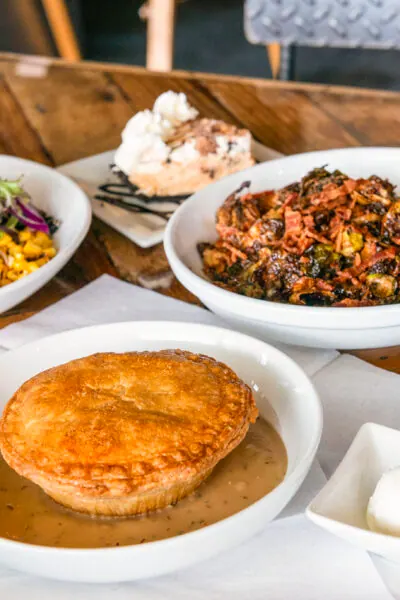

There are meals you plan for, and then there are foods you reach for when the day has worn you down a little. Pie belongs in that second category. A good slice does not ask much of you. It shows up warm or chilled, flaky or dense, sweet or savory, and somehow manages to feel generous every time. That is why the search for a true pie cafe colorado springs experience says something specific. It is not only about dessert. It is about comfort, familiarity, and the kind of food that slows people down.
Colorado Springs has no shortage of places to eat, and that is part of the challenge. In a city full of coffee shops, bakeries, brunch spots, and mountain-view cafés, a pie-focused stop has to earn its reputation. It has to do more than offer a sugar rush in a display case. It needs to understand texture, temperature, balance, and timing. It needs to know when to let butter lead, when to pull back on sweetness, and when a savory slice should feel like lunch rather than a novelty.
When people call any spot the best place for a comforting slice, they are usually responding to more than one thing at once. They are remembering the first bite, certainly, but also the smell when they opened the door, the look of a burnished crust, the friendliness of the counter, the coffee poured without fuss, and the sense that someone in the kitchen actually cares about pie as a craft.
What makes a pie café worth seeking out
Pie looks simple from the customer side of the counter. It is just crust and filling, maybe a scoop of ice cream if the house is feeling generous. Behind the scenes, though, it is one of the easier baked goods to get wrong. The crust can turn leaden if overworked. Fruit fillings can go runny, especially at altitude. Custards can split. Cream pies can slump. Savory pies can become heavy if the pastry and filling are fighting each other instead of meeting in the middle.
That is why the best pie cafés tend to distinguish themselves in ways that are subtle but unmistakable once you know what to notice. The crust should shatter lightly under a fork without spraying crumbs all over the plate. The filling should hold together enough to feel intentional, but not so firmly that it reads as canned or overly thickened. Sweetness should support the main ingredient, not flatten it. Even a simple apple pie should taste like apples first.
A strong pie café also understands pacing. Some slices are better warm, some need a full chill, and some reveal themselves best after sitting a few minutes on the plate. Great shops know this instinctively. They do not rush a pecan pie that needs structure, and they do not serve a fruit slice so hot that it collapses into soup.
In Colorado Springs, where weather swings can sharpen cravings for hearty, soothing food, that kind of care matters even more. On a cold day, a savory hand pie or chicken pot pie can feel like exactly the right lunch. On a blue-sky afternoon, a slice of key lime or berry pie can hit with the brightness you want after a hike or a long drive across town. Pie is versatile in a way people sometimes underestimate.
Comfort has a flavor, and pie understands it
Most people do not talk about pie with the same reverence they reserve for plated desserts. That is part of its appeal. Pie is democratic. It can be impressive without becoming precious. It can sit at a holiday table, a roadside diner, a family brunch, or a café counter and feel equally at home.
The emotional pull is real. For some, pie means grandparents and holiday baking. For others, it is tied to road trips, church suppers, or the first decent dessert they learned to make on their own. The comforting power of pie comes from that overlap between memory and appetite. A slice can feel deeply personal even when it is sold to a room full of strangers.
That is also why a pie café has a different atmosphere from a standard bakery. A bakery may tempt you with variety. A pie café invites you to settle in with a single choice and enjoy it properly. There is no need to rush. Pie benefits from a pause. So do the people eating it.
The best pie cafe colorado springs experience should reflect that. It should feel warm without being cloying, polished without being https://kylerwfpu575.opalvector.com/posts/top-menu-picks-at-pie-cafe-colorado-springs-for-first-time-visitors stiff, and confident enough to let the product do most of the talking. If every surface is curated but the pie tastes generic, the room has missed the point.
The crust tells you almost everything
Ask experienced bakers what separates good pie from forgettable pie, and many will start with the crust. They are right to do it. Filling gets the spotlight, but crust is where standards reveal themselves.
A proper crust needs structure and tenderness at once. That sounds contradictory until you taste the difference. You want edges with color, bottom crust that is baked through, and layers that break apart cleanly. You do not want gumminess on the underside or an all-butter promise that turns greasy in practice. Fat choice matters, but technique matters more. Cold ingredients, restrained mixing, and enough rest before rolling can save a pie before it ever reaches the oven.
Altitude complicates baking in Colorado, and it is one reason a pie shop that performs consistently deserves respect. Moisture evaporates differently. Fruit can behave unpredictably. Blind baking takes judgment. Anyone can produce a good pie on a lucky day. A true pie café produces good pie across seasons, weather shifts, and ingredient variation.
Crust also sets the tone for savory offerings. A pot pie should not feel like stew trapped under a wet lid. It should have pastry that contributes flavor and contrast. Quiche, while not technically pie in every purist’s mind, lives in the same neighborhood. Done well, it is a reliable test of whether a café understands eggs, dairy, and crust as a complete system rather than separate components.
Sweet pies do not all comfort in the same way
One reason pie cafés hold attention is that comfort is not a single flavor profile. Some people want fruit and acid, others want cream and richness, and plenty want spice, nuts, or chocolate. The best shops understand that a pie case should offer range, not chaos.
Fruit pies are often the most revealing. Apple sounds straightforward, but balance is tricky. Too much cinnamon and it tastes like candle-season marketing. Too little acid and it falls flat. Berry pies are even riskier because they can veer jammy fast. Peach, cherry, and mixed-fruit pies all depend on restraint. Fruit should remain identifiable. If every slice tastes mostly of sugar and thickener, the kitchen is taking shortcuts.
Cream pies are a separate skill set. Banana cream needs enough banana flavor to justify itself without turning artificial. Chocolate cream should have actual depth, not just sweetness and color. Coconut cream has to walk the line between tropical fragrance and texture overload. Meringue, when involved, introduces one more variable. It should be light, stable, and browned with intention.
Then there are the pies that feel almost ceremonial in their richness, pecan, chess, custard, peanut butter, silk-style chocolate. These can be excellent comfort desserts, but they demand proportion. A heavy filling paired with a heavy crust becomes tiring after three bites. The best cafés know when to keep the slice modest, when to add whipped cream, and when to let the plate stay simple.
Savory pie deserves more respect than it gets
Too many people still think of pie cafés as dessert-only spaces. That misses half the pleasure. Savory pie, when taken seriously, can make a café into a destination rather than just a treat stop.
A well-made savory pie solves a practical problem that many lunch spots never do. It gives you something substantial without becoming greasy, oversized, or forgettable. A good chicken pot pie, vegetable pie, shepherd’s-style pie variation, or handheld pastry can satisfy in a way sandwiches often do not. There is depth from the filling, texture from the pastry, and a built-in sense of completeness.
Savory pies also reveal whether a kitchen understands seasoning. Sweet pies can hide behind sugar. Savory pies cannot. The filling has to taste layered on its own. Salt has to be right. Herbs need purpose. Vegetables should not be cooked into anonymity. Meat should be tender but not mushy. Sauce should bind without flooding the crust.
For Colorado Springs diners, that matters because pie can easily move beyond dessert and become part of a regular routine. A café that gets savory pies right becomes useful in a different way. It becomes the place you remember for a late lunch, a take-home dinner, or a meal that feels homemade even when you had no time to cook.
The setting matters, but only if it supports the food
Many people can forgive plain décor if the pie is excellent. Few will forgive pretty décor if the pie is mediocre. That said, atmosphere still shapes the experience more than some owners realize.
The strongest pie cafés often land somewhere between nostalgic and practical. They feel approachable. Seating is comfortable enough to stay a while. The case is visible. Coffee is dependable. Service is warm but not theatrical. There may be some farmhouse charm, some retro touches, or some neighborhood-café ease, but none of it should distract from the reason people came.
There is also a real difference between a bakery that happens to sell pie and a pie café that has built its identity around the category. The latter usually feels more settled in its point of view. It knows what pairs well with each slice. It knows whether a dollop of whipped cream is enough or whether vanilla ice cream improves the moment. It knows how to package a slice for takeout so the crust survives the trip home.
That kind of operational intelligence is easy to overlook until you visit a place that lacks it. Then you notice the soggy container, the underfilled coffee, the pie served too cold to register flavor, or the line staff who cannot explain the difference between two fruit fillings. A pie café does not need to be fancy. It does need to be attentive.
How to judge a pie café on your first visit
If you are trying to decide whether a pie cafe colorado springs stop is actually worth returning to, a few practical cues tell the story fast.
- Look at the crust color before you order. Pale crust often signals underbaking.
- Ask what is best that day rather than defaulting to the safest option.
- If the shop offers both sweet and savory pies, try one of each on separate visits.
- Notice whether the filling tastes distinct from the sugar, cream, or spice around it.
- Pay attention to coffee quality, because pie and coffee are a real partnership, not an afterthought.
None of these tests requires a refined palate. They are the kind of observations regular diners make instinctively after enough disappointing slices. Once you have had excellent pie, average pie becomes very easy to spot.
Why Colorado Springs is a natural pie town
Some foods belong more naturally to a place because of climate, pace, and local habits. Pie fits Colorado Springs remarkably well. This is a city where people move between outdoorsy energy and homebody comfort with very little friction. A day might include a trail, a coffee stop, errands, a school pickup, and dinner plans that shift with the weather. Pie can fit into any part of that rhythm.
There is also something about mountain towns and near-mountain cities that keeps hearty, familiar baked goods in circulation. People still value food that feels grounding. Trend-driven desserts come and go, but pie stays relevant because it satisfies old cravings without feeling outdated. It can be rustic or refined, seasonal or classic, celebratory or everyday.
Seasonality helps, too. Fall practically begs for apple, pumpkin, and pecan. Summer asks for cherry, strawberry-rhubarb, and peach. Winter suits chocolate, custard, and savory pies that steam when cut. Spring favors lemon, coconut, and lighter fruit profiles. A pie café can rotate with the year while still keeping enough staples to anchor loyal customers.
That combination of consistency and variation is powerful. It gives regulars a reason to come back and first-time visitors a sense that they stumbled onto something rooted in place rather than copied from a generic playbook.
What a truly comforting slice gets right
Comfort food sounds simple until you start pulling it apart. What people mean by comfort is often a blend of predictability, generosity, and sensory pleasure. Pie hits all three when it is done well.
Predictability means the slice delivers what it promises. Apple tastes like apple. Chocolate tastes like chocolate, not sweetened starch. Savory means seasoned and filling, not bland and heavy. Generosity means the portions feel fair, the ingredients do not feel skimpy, and the café treats the customer like someone worth feeding properly. Sensory pleasure is where all the details come together, flaky crust, aromatic filling, the right plate temperature, a fork that cuts cleanly, maybe coffee hot enough to contrast with a chilled cream pie.
There is also a less discussed factor, emotional pacing. Pie is one of the few café foods that encourages people to sit still for a few minutes. It is difficult to inhale absentmindedly while walking. That matters. Comfort is not only in the ingredients. It is in the pause they create.
I have found that the most memorable pie spots are rarely the loudest about themselves. They do not need extravagant menu language to justify a slice. They rely on repetition and trust. People return because the pie tasted right last time, because the service felt easy, because the shop has become part of their personal map of the city.
The signs you have found your place
At some point, every regular develops a quiet way of identifying a favorite food stop. It is not always the place with the longest line or the trendiest photos. It is the place you think of when the weather turns cold, when family visits, when you need a low-stakes treat after a difficult week, or when you want to bring dessert somewhere and know it will disappear.
A pie café earns that role slowly. Not through hype, but through consistency. The crust stays crisp. The fillings stay balanced. The savory options are not neglected. The staff can talk about what is fresh, what is rich, what travels best, and what should be eaten right away. The room remains inviting enough for a solo slice or an unhurried catch-up with a friend.
If you are searching for pie cafe colorado springs, that is ultimately what you are hoping to find. Not just a bakery with pie on the menu, and not just a sugar stop with cute branding. You are looking for a place that understands why pie matters to people in the first place. A place that treats comfort as a craft.
The best place for a comforting slice is the one that makes you feel, after the first forkful, that somebody took your craving seriously. In a city like Colorado Springs, where good food competes hard for attention, that is more than enough to stand out. It is how a pie café becomes part of the local fabric, one slice at a time.
3.14 Pi Bar
5152 Centennial Blvd
Colorado Springs, CO 80919
(719) 314-6172
FAQ About pie cafe colorado springs
Does 3.14 Pi Bar serve sweet and savory pies?
Yes. The café serves savory pot pies and seasonal sweet pies made from scratch. Flavors can vary.
Can I order a whole pie to take home?
Yes. The café sells whole sweet pies to take home. Check the current menu for flavors and ordering options.
Does 3.14 Pi Bar offer take-and-bake pies?
Yes. The café offers prepared pies that you can bake at home. Check the current menu for available varieties.